
By Alexandre, Independent local guide in Sapporo
Published · Updated
The Best Cafes in Sapporo: Retro Finds and English-Friendly Spots
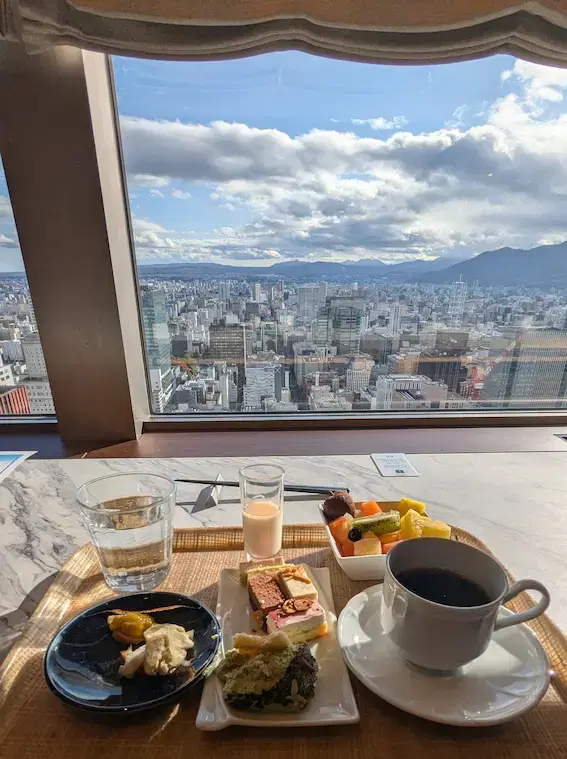
The best cafes in Sapporo come in two flavors. There are the retro independent kissaten, old-school Japanese coffee houses with hand-dripped coffee, worn leather seats, and owners who have been at it for decades. And there are the modern, English-friendly spots with Wi-Fi, power sockets, and generous morning deals. Coffee runs around ¥500–800 a cup at most independents, less at the chains, and the neighborhoods to hunt are Odori, Tanukikoji, and Maruyama. Chains like Komeda and Bikuri Donkey are the reliable go-tos when you just need a warm seat and a socket.
I live in Sapporo, and honestly, my favorite cafes here are ones I found by accident. No list, no reviews, just a door that looked interesting. This guide gives you the culture, the neighborhoods, and the safe bets, so you can rest well after a shrine visit, a long walk between the city's sights, or a snowy wait for the bus.
Kissaten Culture: What Makes Sapporo Cafes Special
Before Starbucks arrived in Japan, there was the kissaten (喫茶店), literally a “tea-drinking shop,” though in practice it means a coffee house frozen in the Showa era. Think dark wood, jazz or classical records, a master carefully hand-dripping a single cup, and a short menu of comfort food: thick-cut buttered toast, fluffy egg sandwiches, old-fashioned pudding, maybe a melon soda float. Nobody hurries you. You order at the table, the coffee arrives in proper china, and an hour disappears.
Sapporo is a good kissaten city partly because of its winters. Locals have always needed warm places to linger, so the city kept its old coffee houses alive. The best ones aren't always on a list; they're the ones you stumble across. Picture a small Showa-era cafe with old artwork on the walls, run by a kind Japanese couple who've been at it since the ‘90s. That's Sapporo cafe culture: personal, unhurried, and yours to find. Skip the rush and trust your gut to guide you to a place that feels right.
Where to Hunt: Sapporo's Best Cafe Neighborhoods
- Odori & Tanukikoji: the city's heart. The covered Tanukikoji shopping arcade and the side streets off Odori Park hide both surviving kissaten and newer specialty coffee spots between the souvenir shops. Perfect for a warm-up between sights, especially in winter.
- Maruyama: my pick for a slow cafe morning. This leafy neighborhood west of the center, around Maruyama Park and Hokkaido Shrine, has a village feel. On its quiet residential streets, a discreet doorway often turns out to be someone's lovingly run coffee house or bakery cafe.
- Susukino: better known for nightlife, which means cafes here keep later hours. Useful for a post-dinner coffee before heading back to your hotel.
- Around Sapporo Station: the practical choice. Department stores and station buildings are full of dependable cafes. Nothing romantic, but ideal when you're between trains with luggage.
One local note: don't over-plan this. Google Maps is handy for confirming a cafe is open and has Wi-Fi, but the cafes I return to are all ones I walked past first. Give yourself one unscheduled hour in Maruyama or Tanukikoji and follow whatever door pulls you in.
Komeda and Bikuri Donkey: Bang-for-Buck Cafes with Wi-Fi and Great Deals
Independent kissaten are the soul of the scene, but sometimes you just need certainty: English menus, Wi-Fi, a socket for your laptop, and a price you can predict. For value and consistency, these two chains deliver impeccable Japanese service and traveler-friendly features, in Sapporo and all over Japan:
Komeda Cafe Sapporo
- What You Get: Komeda is a modern chain built on the kissaten formula: booth seats, unhurried service, and the classic Japanese “morning set.” Order a drink (around ¥550) before 11 AM and it comes with free toast plus your choice of boiled egg, egg paste, or red bean paste. A solid morning deal.
- Why It's Great: English menus, Wi-Fi, no-smoking seating, and PC-friendly sockets make it a go-to for nomads and travelers. Stay as long as you like; that's genuinely the house policy.
- More Info: Visit Komeda's Official Site.
Bikuri Donkey Sapporo
- What You Get: Better known as a hamburger-steak restaurant, but its morning service is one of Sapporo's quiet bargains: around ¥400 before 11 AM buys toast, an egg, and unlimited coffee refills. A steal for a hearty start.
- Why It's Great: Familiar to travelers, with English-friendly service and a laid-back feel. Some locations offer Wi-Fi.
- More Info: See Bikuri Donkey's Site.
Working From a Cafe in Sapporo: Wi-Fi, Sockets, and Etiquette
Sapporo is an easy city for laptop work if you match the venue to the task. Chains are the safe choice: sockets, Wi-Fi, and a culture that expects lingerers. Kissaten are wonderful for reading and journaling, but they run on atmosphere, and a video call would break the spell (and possibly the owner's heart). A few unwritten rules keep everyone happy. Order something roughly every hour if you're camping. Keep calls short and quiet, or take them outside. Clear out of a busy cafe at lunchtime. In winter, cafes double as warming huts between sights; locals genuinely plan walking routes around them, and after a February afternoon outdoors you will too.
What to Order: Morning Sets, Blends, and Sweet Classics
- The morning set (モーニング): Japan's best cafe tradition. Before about 11 AM, your drink comes with toast and sides for free or a tiny surcharge. If you see “morning” on a sign, breakfast is solved.
- Blend coffee (ブレンド): the house drip blend, the default order in any kissaten, usually around ¥500–800. Ask for “burendo” and you can't go wrong.
- Kissaten classics: thick-cut toast, tamago (egg) sandwiches, Napolitan spaghetti, old-style pudding, and the gloriously retro melon soda float.
- Hokkaido extras: the island is Japan's dairy heartland, so anything involving milk, soft-serve, or cheesecake tends to be a level above the rest of the country. If a cafe advertises Hokkaido milk, believe it. Hungry for more than cake? Our Sapporo food guide covers the city's heavier hitters: miso ramen, soup curry, and jingisukan.
Quick Tips for Enjoying Sapporo Cafes
- Trust Your Instincts: Wander Sapporo's streets to find a cafe that speaks to you. No need to chase trends or rankings.
- Check Morning Deals: Hit Bikuri Donkey before 11 AM (around ¥400 with unlimited coffee) or Komeda (around ¥550 with toast and a side) for the cheapest good breakfast in town.
- Carry Some Cash: chains take cards, but small family-run kissaten are often cash-only. A few thousand yen in your pocket saves awkwardness.
- Bring a Charger: PC-friendly cafes like Komeda have sockets, but they can be in demand.
- Use Google Maps: handy for opening hours and confirming Wi-Fi. Many independents close one weekday and shut earlier than you'd expect.
Ready to Sip in Sapporo?
Whether you're drawn to the retro charm of a Showa-era kissaten or need an English-friendly spot with Wi-Fi, Sapporo's cafes have something for everyone. Lean on Komeda and Bikuri Donkey when you want value and certainty, then spend an afternoon getting deliberately lost around Maruyama or Tanukikoji for the finds you'll actually remember. Roam, rest, and enjoy your own timeless retreat in Hokkaido's capital!
Got questions? Reach out at contact@hokkaigo.com or on WhatsApp. Check out our Hokkaido day trip tours for more Sapporo ideas!
Frequently asked questions
A kissaten is a traditional Japanese coffee house, usually independent and often decades old: dim lighting, wood and leather interiors, hand-dripped coffee, and a short menu of comfort food like thick toast, egg sandwiches, and pudding. The point is atmosphere and unhurried time. You order at the table, nobody rushes you, and the owner has often been pouring the same blend for thirty years. Sapporo has many of them tucked into side streets.
Expect around ¥500–800 for a cup of coffee in most independent cafes and kissaten, and a little less at big chains. The famous money-saver is the Japanese "morning set": order a drink before around 11 AM at chains like Komeda and the toast, egg, or other sides come free or nearly free. It makes breakfast one of the cheapest ways to enjoy cafe culture in Japan.
Yes, but pick the right kind of place. Chains like Komeda are openly laptop-friendly, with Wi-Fi, power sockets, and no pressure to leave. Small kissaten are more about atmosphere: a laptop isn't forbidden, but reading a book fits the mood better than a video call. As a courtesy anywhere, order roughly once an hour and avoid spreading out during the lunch rush.
Start around Odori and the Tanukikoji shopping arcade, where old kissaten and newer specialty coffee spots hide between the shops. Maruyama, west of the center, is Sapporo's most relaxed cafe neighborhood, with quiet residential streets near the park and shrine. Susukino works for late-night coffee, and the area around Sapporo Station is convenient when you're between trains. Wandering side streets beats any list, though. The best finds are usually unplanned.