
By Alexandre, Independent local guide in Sapporo
Published
Sapporo Snow Festival: A Local's Guide to Japan's Biggest Winter Event
The Sapporo Snow Festival (さっぽろ雪まつり, Yuki Matsuri) happens every year in early February and runs about a week. It is free to walk and spreads across three sites: giant snow sculptures in Odori Park, ice sculptures in Susukino, and family snow activities at Tsudome. Around two million people come. It is the biggest winter event in Japan, and it is the one week of the year when you genuinely need to book Sapporo hotels months in advance.
I live in Sapporo, so I get the festival every year without the flights. Here is how I would plan it if I were coming from outside: what is actually at each site, when to go, and the mistakes that make people miserable in minus ten degrees.
A Quick History (Why It's a Big Deal)
The festival started in 1950, when local students built a handful of snow statues in Odori Park. It grew from there. The Self-Defense Forces got involved to build the truly massive sculptures, and today the biggest pieces are the size of buildings, carved in surprising detail and lit up after dark, some with projection-mapping shows. For Sapporo, this is the proudest week of the year.
The Three Sites, and How to Do Them
Odori Park, the Main Event
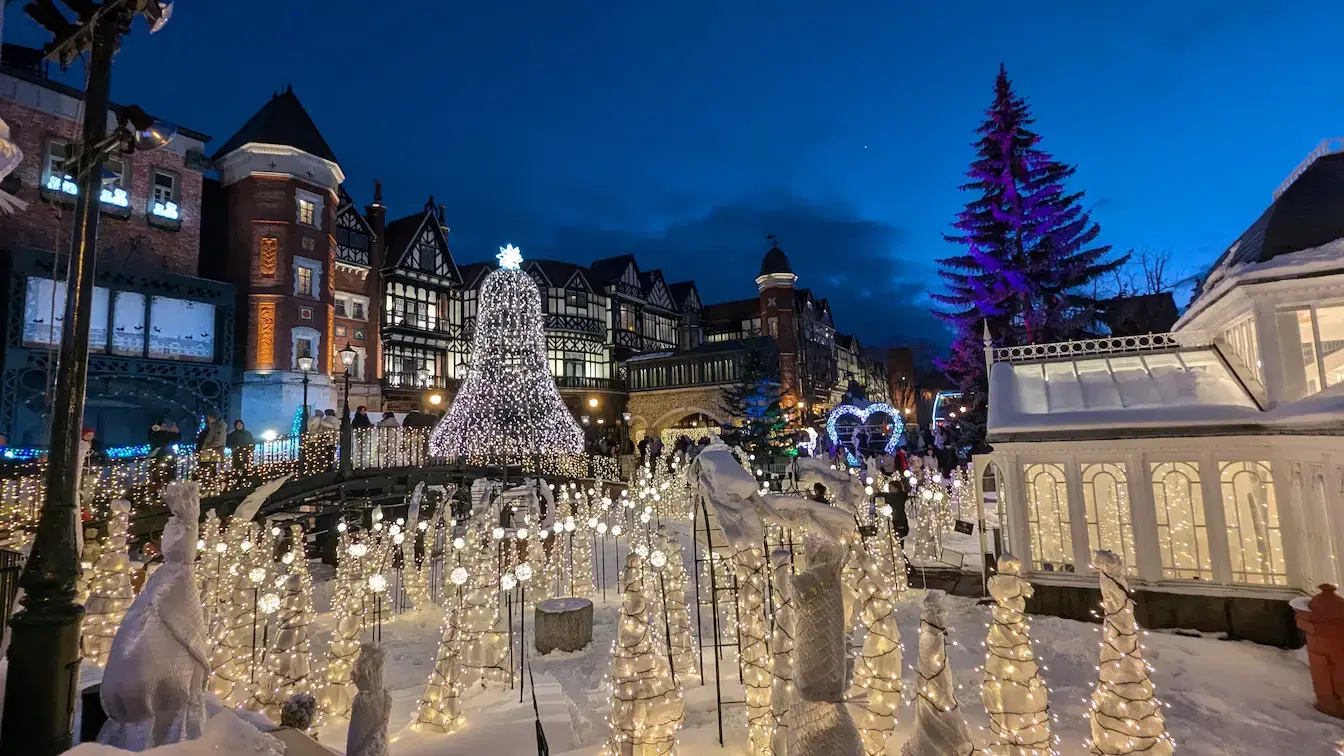
This is the festival's heart. About a dozen blocks of Odori Park in the city center fill with everything from the colossal headline sculptures to hundreds of small ones made by citizens, plus food stalls selling Hokkaido specialties. Go once in daylight to appreciate the carving. Then come back after dark, because the illuminations change everything and the light shows on the big sculptures run through the evening. The Sapporo TV Tower at the park's east end has a paid observation deck if you want to see the whole sculpture row from above.
Susukino: Ice, Not Snow
A ten-minute walk south, Sapporo's entertainment district hosts the ice sculpture site. Think crystal-clear carved ice glowing between the neon signs, often with real Hokkaido crabs and fish frozen inside. It is compact, and half an hour covers it. Since you are already in Susukino, it pairs naturally with dinner. This is the district for miso ramen and jingisukan. Our Sapporo guide has more on where to point your appetite.
Tsudome, for Families
The community-dome site in the city's northeast is the hands-on one: big snow slides, snow rafting, play areas, and indoor space to warm up. It is built for kids and reachable by subway plus a shuttle bus. Its dates do not always match the main sites exactly, so check the year's schedule if Tsudome is a priority for you.
Beating the Crowds
- Weekdays over weekends. The difference is dramatic, especially at Odori.
- Mornings are quietest. Evenings are busiest but worth it for the lights. If you can, do both on a weekday.
- Book everything early. Hotels near Odori and Sapporo Station fill up months out and prices multiply. If Sapporo is full, Otaru or even a hotel near New Chitose Airport can work as a base. See getting from the airport to Sapporo for the transport picture.
- Combine it with Otaru. The Otaru Snow Light Path, where the canal and old lanes glow with candle-lit snow lanterns, runs around the same period and makes a magical evening day trip from Sapporo.
What to Wear (Please Take This Seriously)
You will be outdoors for hours, mostly standing or shuffling on packed ice, and the temperature falls hard after sunset. The local formula: thermal base layer, insulating mid-layer, windproof down jacket, hat, gloves, and above all waterproof boots with proper grip. Slip-on ice cleats are sold cheaply in convenience stores and drugstores around the festival, and they are the best few hundred yen you will spend all trip. Warm up strategically too: the underground shopping arcades run directly beneath the Odori area.
Should You Rent a Car for Festival Week?
For the festival itself, no. All three sites are on or near the subway, the roads are snowy, and parking in central Sapporo during the festival is painful. If you are adding a ski day or an onsen trip around the festival, trains cover the resorts near Sapporo and Noboribetsu well. Drive only if you are comfortable on ice. Here is our honest take on winter driving in Hokkaido.
Make It a Full Winter Trip
The festival slots perfectly into a longer route. Our 5-day Hokkaido winter itinerary builds a trip around it with Otaru, a ski day, and an onsen finish. For what else is on in the city that month, see February events in Sapporo. Questions about your dates? Get in touch, I am happy to point you right.
Frequently asked questions
Early February every year, typically running about a week. The main sites have historically run around February 4 to 11, and the Tsudome family site sometimes opens earlier. Exact dates are announced by the organizers each season, so check them before booking flights, and book accommodation months ahead.
Yes. Walking the Odori Park and Susukino sites costs nothing, and the sculptures and evening illuminations are the main event. You'll spend money on food stalls, and some activities at the Tsudome site have fees, but a great festival day can cost you only what you eat.
One full day covers all three sites if you pace it: Tsudome or a relaxed Odori walk in daylight, then Odori and Susukino again after dark for the illuminations. The sculptures are at their best at night. Add a second day if you want to combine it with Otaru's Snow Light Path, which runs around the same time.
Expect daytime highs around or below freezing, evenings well into the minus range, and packed snow and ice underfoot everywhere. Waterproof boots with real grip matter more than any other item. The festival is an outdoor walking event, and the ground turns to sheer ice by night.